At 2:40 AM, a nurse is juggling three patients, two alerts, and one outdated system.
I’ve seen this exact moment. Not in theory. On the hospital floor.
The problem isn’t lack of data. Hospitals have plenty. The problem is what happens .
Or rather, what doesn’t.
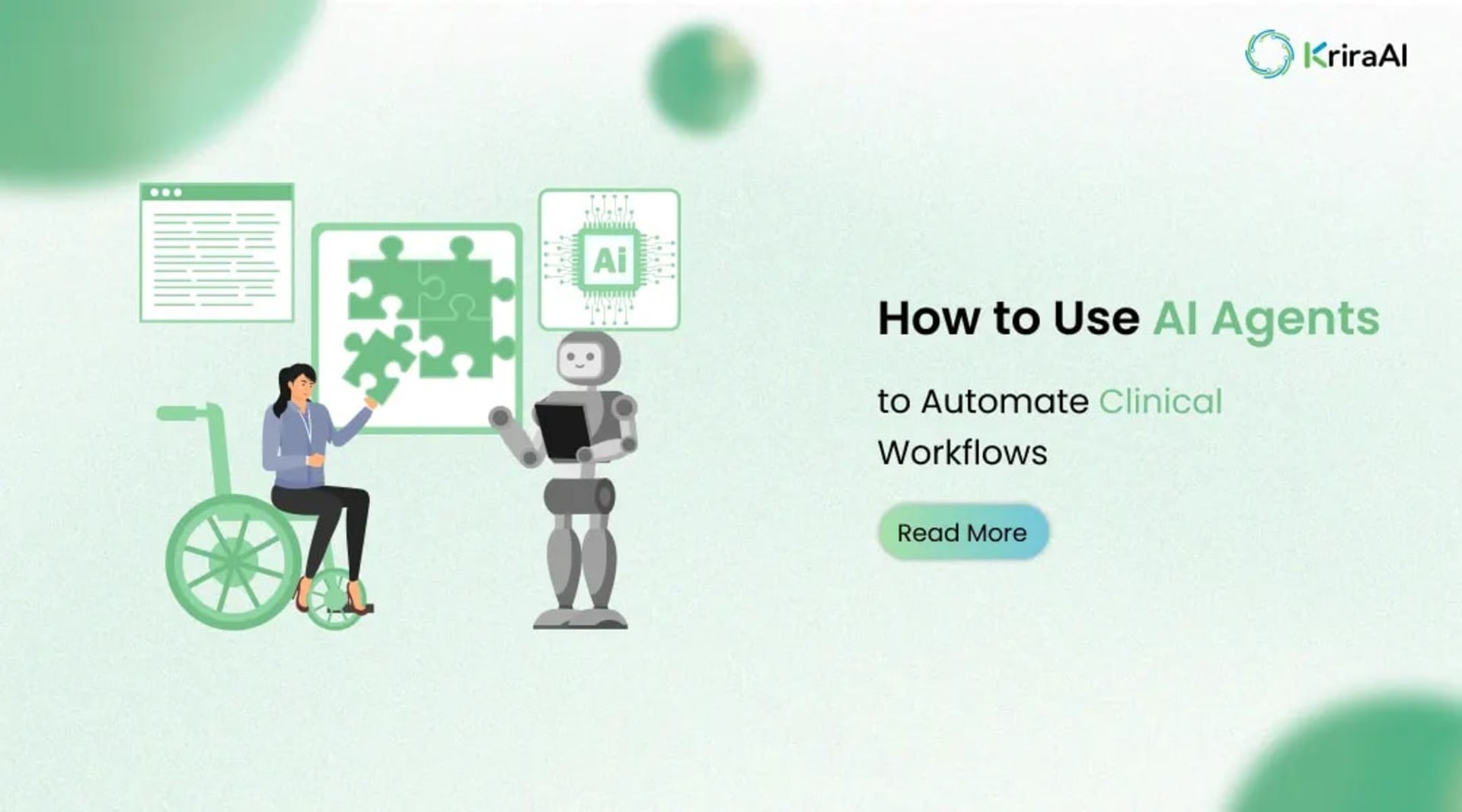
This is where AI agents in healthcare quietly change everything.
Not dashboards. Not reports. Not alerts.
Action.
Let me strip this down.
AI agents are systems that don’t just analyze data, they decide and act on it.
Think of them as digital operators inside your workflow.
An AI agent observes what’s happening, understands context, and takes the next best action automatically.
No waiting. No manual triggers.
Traditional automation is rigid.
“If X happens → do Y.”
AI agents? They think in probabilities.
“What’s most likely needed right now?”
That’s a completely different level of AI healthcare automation.
They combine:
Real-time data
Historical patterns
Predictive models
Then decide.
Clinical workflows are the invisible backbone of healthcare operations.
Patient admission. Diagnosis. Treatment. Discharge.
Simple on paper. Chaotic in reality.
A patient arrives → triage → doctor assigned → tests ordered → results reviewed
Discharge process → billing → insurance validation → documentation
Each step depends on the previous one.
And delays? They compound.
Manual documentation
Fragmented systems
Delayed decision-making
Staff overload
Let me ask you something:
How many decisions in your hospital are still waiting on a human to click a button?
Exactly.
This isn’t optional anymore.
Hospitals are handling more patients than ever.
But staff? Not scaling at the same pace.
I’ve spoken to doctors who spend more time on systems than on patients.
That’s backwards.
In critical care, delays aren’t inconvenient.
They’re dangerous.
This is where AI in clinical workflow automation becomes necessary, not aspirational.
Now we get practical.
AI agents analyze:
Doctor availability
Patient urgency
Historical no-show data
Then optimize scheduling automatically.
No overbooking chaos. No empty slots.
This is where most time is wasted.
AI agents:
Extract patient data from reports
Update EHR systems
Generate summaries
Yes, automatically.
This is core to healthcare workflow automation.
AI agents assist doctors by:
Analyzing symptoms
Suggesting diagnoses
Recommending next steps
These are advanced clinical decision support systems.
But here’s the nuance, they don’t replace doctors.
They reduce hesitation.
AI agents continuously monitor:
Vital signs
Lab results
Risk indicators
Then trigger alerts before critical events.
Not after.
That’s the shift.
One of the most delayed workflows.
AI agents:
Validate insurance claims
Detect anomalies
Automate billing cycles
This reduces friction in digital healthcare transformation efforts.
Let’s cut through the noise.
Decisions happen instantly.
AI doesn’t get tired at 3 AM.
Shorter wait times. Better care coordination.
Less manual work. Fewer operational bottlenecks.
You don’t need to keep hiring to handle growth.
That’s what AI-powered healthcare solutions actually deliver, when done right.
I’ve seen these implemented.
Not in theory.
Hospitals are deploying AI agents to manage patient flow end-to-end.
From admission to discharge.
AI agents prioritize patients based on severity.
Not arrival time.
That alone changes outcomes.
Follow-ups. Reminders. Reports.
Handled automatically through AI-driven patient care systems.
Let’s settle this.
Static
Predictable
Limited
Adaptive
Context-aware
Continuously improving
This is the difference between tools and intelligence.
Traditional systems wait.
AI agents act.
That’s the gap most hospitals are still stuck in.
Let’s not pretend this is easy.
Healthcare data is sensitive.
HIPAA, regulations, non-negotiable.
Legacy systems don’t play nicely.
(If you’ve worked in healthcare IT, you’re already nodding.)
People resist change.
Especially when it feels like a replacement.
Here’s what actually works.
Don’t automate everything.
Start where delays hurt the most.
Not vendors. Partners.
A Best AI development Company doesn’t just build, it understands workflows.
That’s the difference.
No shortcuts here.
Ever.
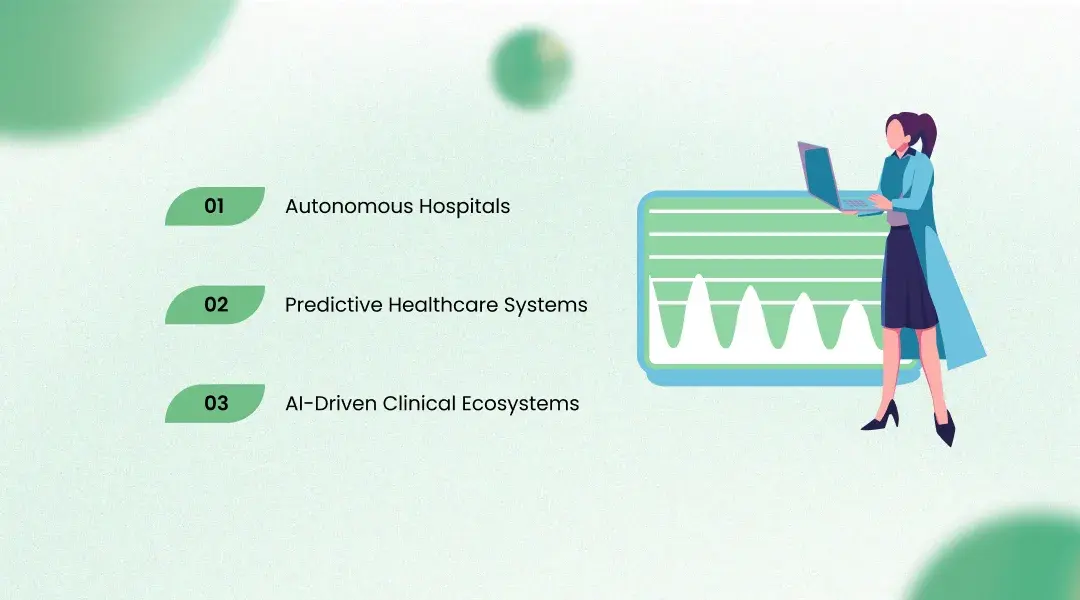
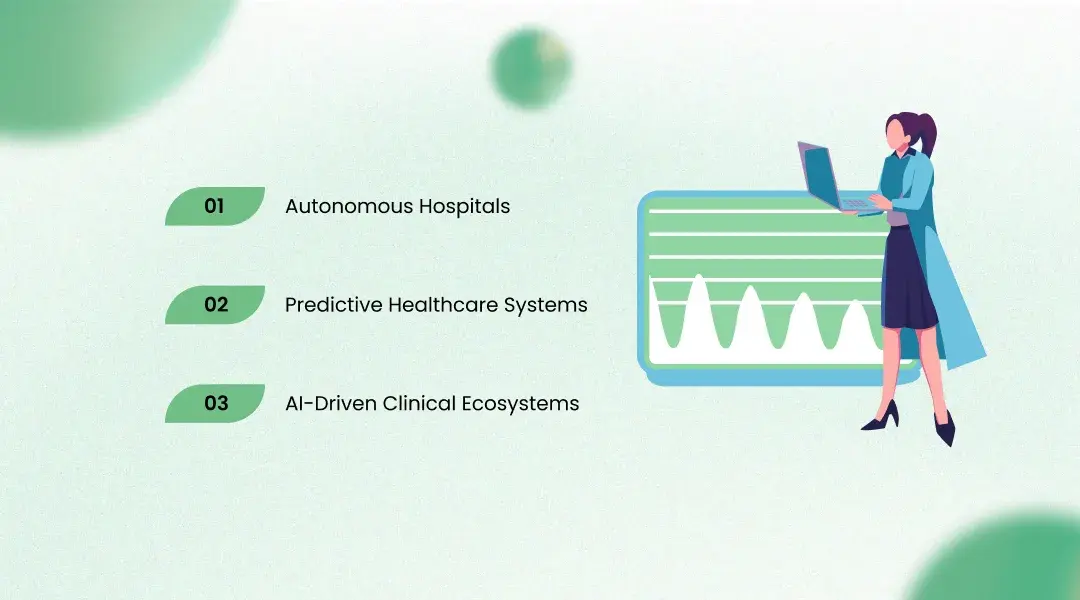
This is where it gets interesting.
Systems that run core operations with minimal manual input.
Yes, it’s coming.
AI agents predicting patient issues before symptoms escalate.
Everything connected.
Everything responsive.
This is the next phase of artificial intelligence in healthcare.
Let me be blunt.
Most hospitals don’t have a technology problem.
They have a decision problem.
Too many delays. Too many dependencies.
AI agents fix that.
Not by replacing people.
But by removing friction between data and action.
And once you see that shift… it’s hard to go back.
AI agents analyze real-time and historical data to make decisions and execute tasks automatically, reducing manual intervention across scheduling, diagnosis, and billing.
They improve speed, reduce errors, enhance patient care, lower costs, and enable scalable healthcare systems.
Yes, when properly implemented with compliance and oversight, AI agents support—not replace, clinical decisions.
Costs vary based on system complexity, integrations, and scale, but ROI is typically achieved through operational efficiency and cost savings.
Yes, but integration depends on system architecture. A strong implementation strategy is critical for success.
Founder & CEO
Divyang Mandani is the CEO of KriraAI, driving innovative AI and IT solutions with a focus on transformative technology, ethical AI, and impactful digital strategies for businesses worldwide.