I’ll be blunt.
Most businesses didn’t plan to adopt AI in 2026. They were pushed into it.
Not by trends. Not by investors. But by competitors quietly becoming faster, cheaper, and smarter.
I’ve sat across from founders who told me, “We’ll wait and watch.” Six months later? They came back asking how to catch up.
So what changed?
Why are generative AI services 2026 suddenly everywhere from startups to billion-dollar enterprises seeking generative AI development services?
Let me walk you through what I’ve seen on the ground. Not theory. Not hype. Reality.
Let’s start with the obvious shift.
Traditional automation followed rules. AI-native automation learns patterns.
That difference? Massive.
I’ve helped companies replace entire manual workflows using AI-native enterprise automation services in customer support, document processing, and even internal reporting.
And here’s the uncomfortable truth:
If your workflow depends on repetition, AI is already better at it.
But here’s the interesting part (and most people miss this)… It’s not about replacing humans. It’s about removing friction.
Less waiting. Less back-and-forth. More doing.
That’s why business automation using generative AI is no longer optional.
Quick question.
How much time does your team waste searching, writing, rewriting, and summarizing?
Exactly.
That's where AI copilots for business productivity stepped in and quietly took over, echoing how AI copilots as operational infrastructure are reshaping day-to-day workflows.
From developers writing code to marketers creating campaigns, these copilots act like a second brain.
I've implemented copilots inside CRMs, dashboards, and internal tools, a process broken down further in this corporate AI copilot implementation guide. The result?
Faster decisions
Cleaner outputs
Less mental fatigue
And yes, this is a core part of modern AI services for startups and enterprises.
(And no, copying ChatGPT into your workflow is not the same thing.)
Generic AI tools are losing their charm.
Businesses want specificity.
That’s why AI-driven SaaS platforms built for industries are booming.
Healthcare → AI for diagnostics & patient data
Fintech → Fraud detection & risk analysis
eCommerce → Personalization engines
I worked with an eCommerce client who switched from a generic AI tool to a vertical solution. Conversion rates improved within weeks.
Why?
Because context matters.
And that’s where large language model applications in business are evolving toward specialization, not generalization.
Let me say something controversial.
SEO alone is not enough anymore.
Users aren’t just searching;g they’re asking. And AI is answering.
This shift has created demand for generative engine optimization (GEO) solutions.
Instead of optimizing for Google rankings, businesses are optimizing for:
AI-generated answers
Voice assistants
Chat-based discovery
I’ve seen brands get traffic without ranking #1 because AI platforms referenced them directly.
That’s the future.
(Search is no longer just pages. It’s responses.)
Startups love one thing: efficiency.
And AI delivers exactly that.
I’ve helped early-stage teams cut operational costs by 30–50% using AI-powered business automation services.
Think about it:
Fewer hires are needed initially
Faster MVP development
Reduced manual overhead
This is why founders are actively investing in generative AI solutions for businesses early in their lifecycle.
Because speed matters.
And AI = speed.
Now this is where things get interesting.
AI is moving closer to where data is generated.
Devices. Sensors. Systems.
That’s Edge AI deployment services for startups.
Instead of sending data to the cloud, decisions happen instantly.
Real-time fraud detection. Smart manufacturing. Predictive maintenance.
I recently worked on a system where AI detected anomalies in seconds, not minutes.
That difference? It saved real money.
This isn’t limited to tech companies anymore.
Everyone is adopting AI.
Retail brands exploring retail AI solutions, logistics, healthcare, and finance are all part of this wave.
This wave of enterprise generative AI adoption is happening because:
Tools are more accessible
Costs are decreasing
ROI is measurable
And yes, there’s also pressure.
No one wants to be the company that “missed AI.”
Let’s simplify it.
Why are businesses investing in AI content generation tools and automation in 2026?
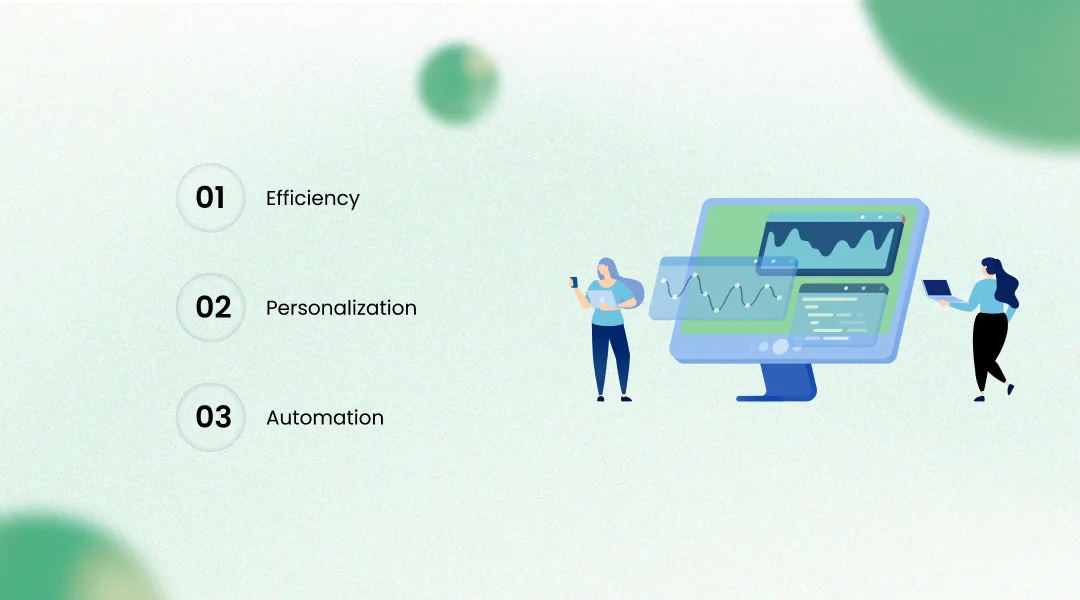
Because they deliver:
Tasks that took hours now take minutes.
AI tailors experiences at scale.
Repetitive work disappears.
This is how AI to Save Time and Cut Costs becomes a real business strategy, not just a tagline.
Let’s not pretend it’s perfect.
I’ve seen projects fail. Badly.
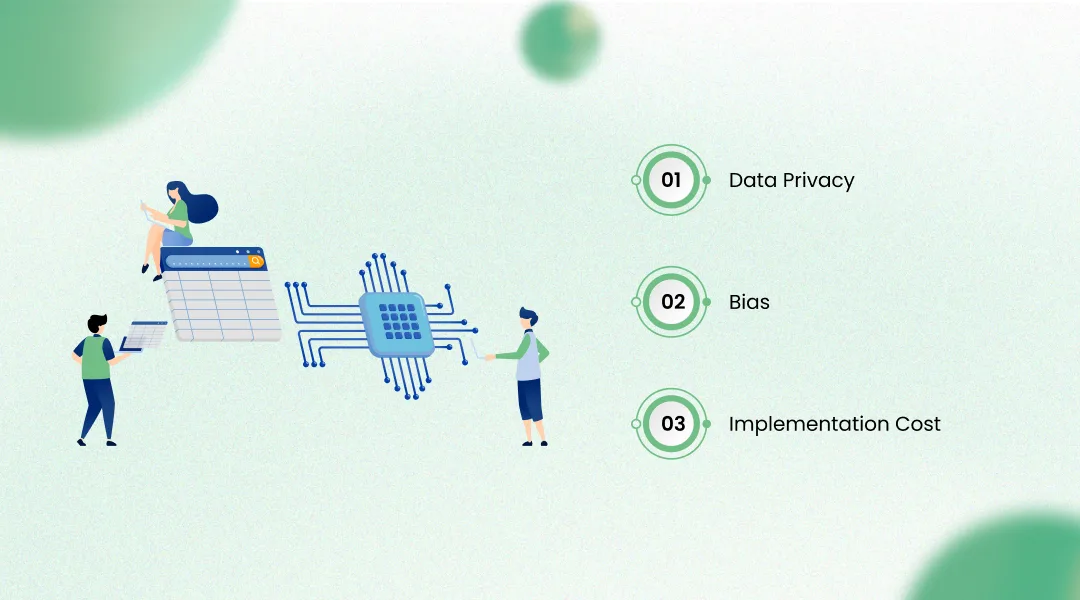
Sensitive data needs strict handling.
AI models reflect flawed data.
Custom solutions require investment.
Here’s the truth most agencies won’t tell you:
Bad AI implementation is worse than no AI.
(Yes, I said it.)
So where is this heading?
Short answer: AI-first businesses.
Long answer:
AI becomes part of every product
Interfaces become conversational
Decision-making becomes data-driven
Companies that integrate AI early will move faster. Period.
And those relying on outdated systems?
They’ll struggle to keep up.
Let me leave you with this.
Generative AI isn’t booming because it’s exciting.
It’s booming because it works.
I’ve seen startups scale faster. Enterprises reduce inefficiencies. Teams become sharper.
But only when done right.
If you're exploring AI services, don't chase trends. KriraAI focuses on solving real problems.
That’s where the real value is.
Costs vary widely depending on complexity. Basic implementations can start from a few thousand dollars, while custom enterprise-grade solutions can go significantly higher. The key factor is whether you're building from scratch or integrating existing APIs.
If your business involves data, content, or repetitive workflows, the answer is likely yes. The real question is not if but where AI can create the most impact.
Enterprises use AI copilots for internal operations like coding, reporting, customer support, and decision-making. These systems act as productivity enhancers rather than replacements.
Examples include automated customer support chat systems, AI-generated reports, fraud detection systems, and personalized recommendation engines in eCommerce platforms.
SEO focuses on ranking web pages, while GEO focuses on making your content discoverable through AI-generated answers and conversational search systems.
Founder & CEO
Divyang Mandani is the CEO of KriraAI, driving innovative AI and IT solutions with a focus on transformative technology, ethical AI, and impactful digital strategies for businesses worldwide.